
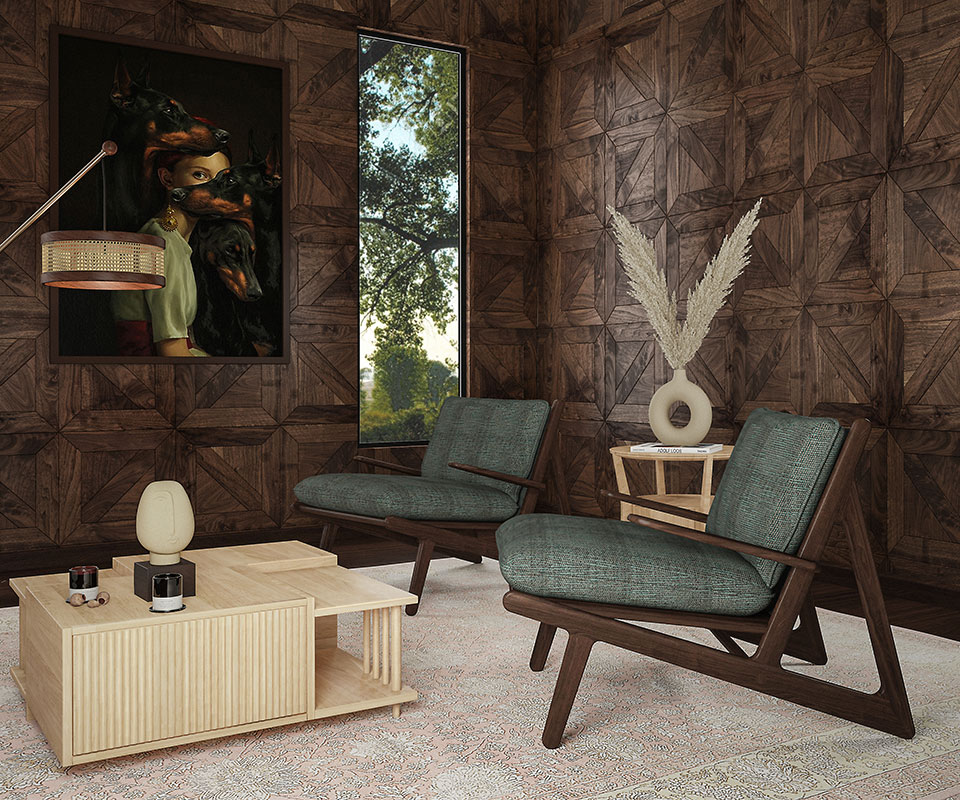

Fashions in interior design are cyclical, and many classic pieces are making a comeback with a new interpretation.
Author: adminWTC
5 Unforgettable Comeback Design Pieces
Comeback Design Pieces:
The 45 Chair – Finn Juhl
In the fall of 1945, Finn Juhl presented the “45 Chair” at the Cabinetmakers’ Guild’s annual exhibition. Today, this chair is seen as one of the most innovative and emblematic pieces of Danish furniture design. Finn Juhl’s dream of studying art history, together with his love of contemporary art, gave rise to the “45 Chair”.
The 45 Chair
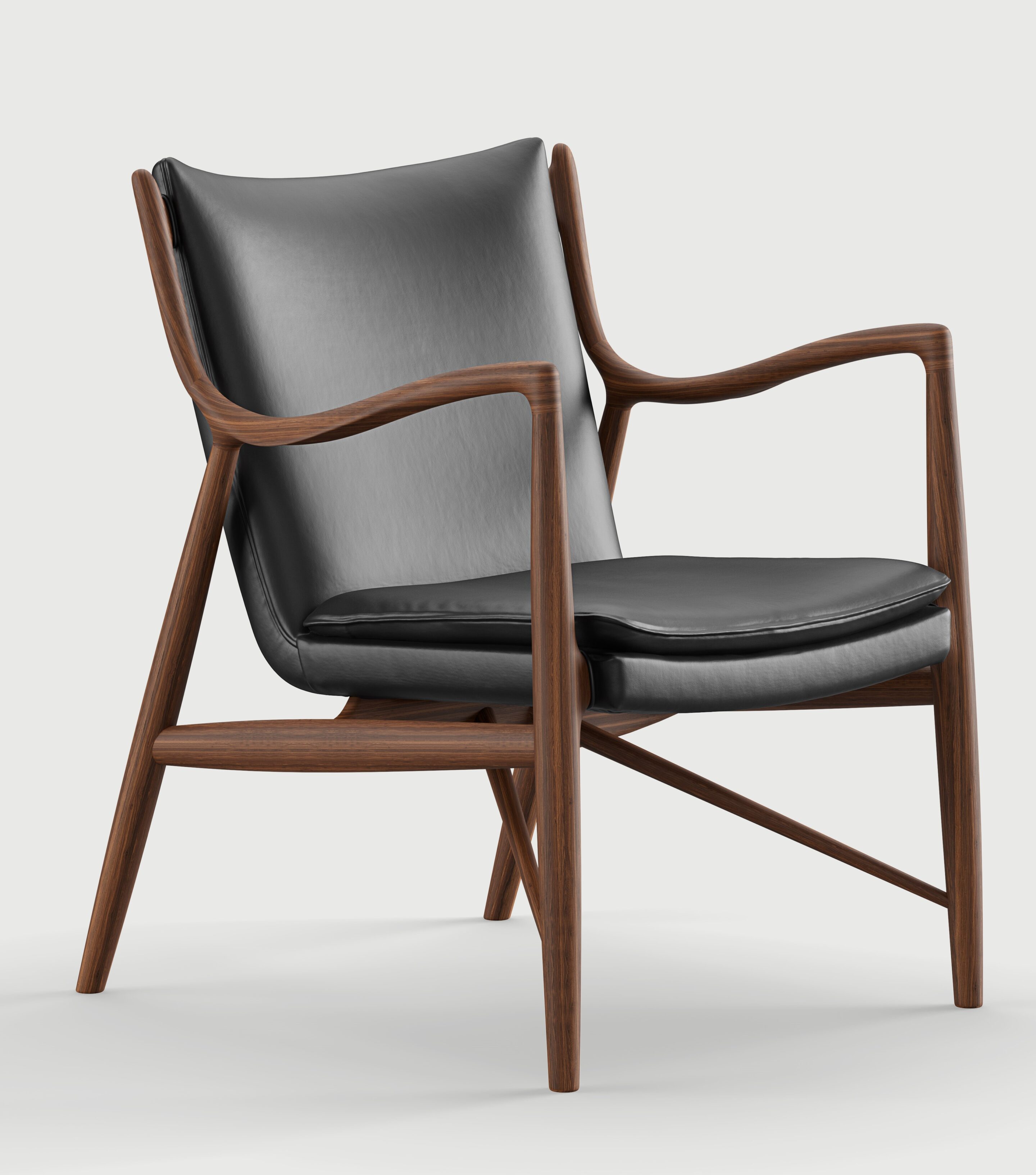
Image Credit: House of Finn Juhl is part of Onecollection
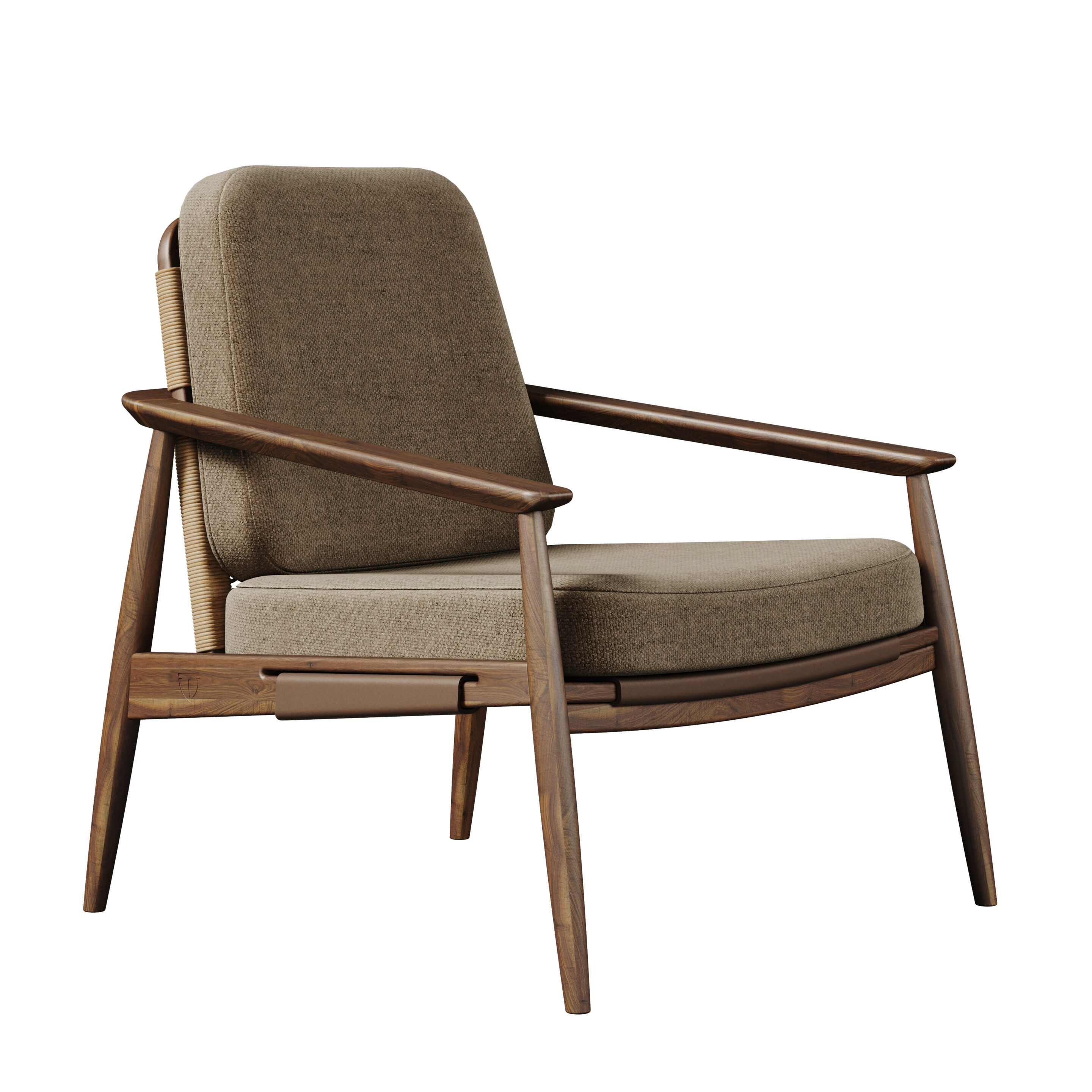
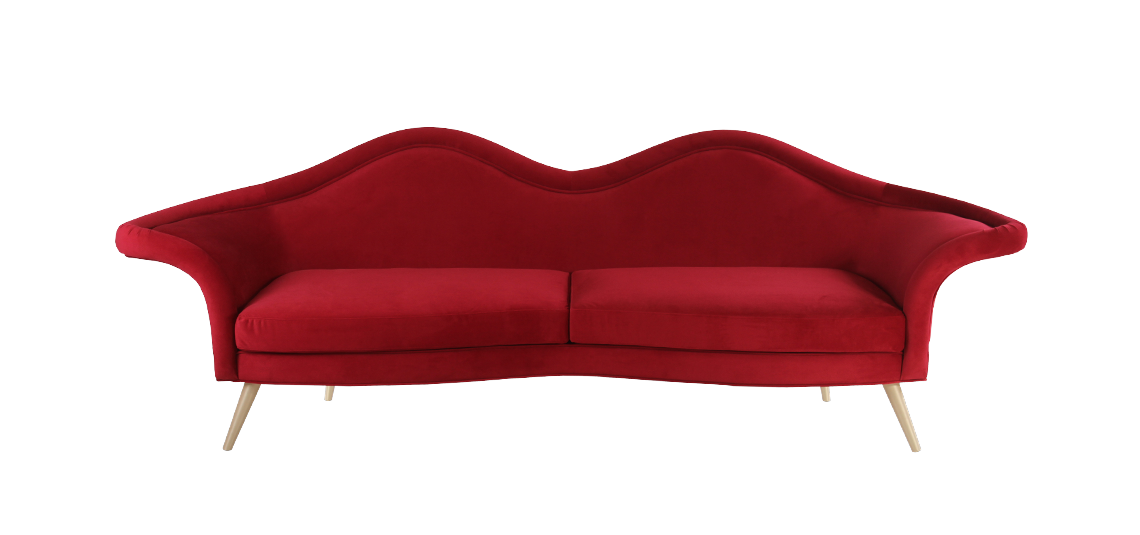
Inspired Piece: Adam Armchair
Eva Chair – Bruno Mathsson
The Eva chair, designed by Bruno Mathsson in 1933, is making a significant comeback in interior design. This iconic piece combines functionality and aesthetics, reflecting Mathsson’s innovative approach to ergonomics and comfort. With its curved wooden frame and wicker or canvas seat, the Eva chair is a celebration of classic Scandinavian design. Its elegant simplicity and durability continue to captivate contemporary design enthusiasts, demonstrating how timeless pieces can be reinterpreted to suit today’s modern styles.
Eva Chair
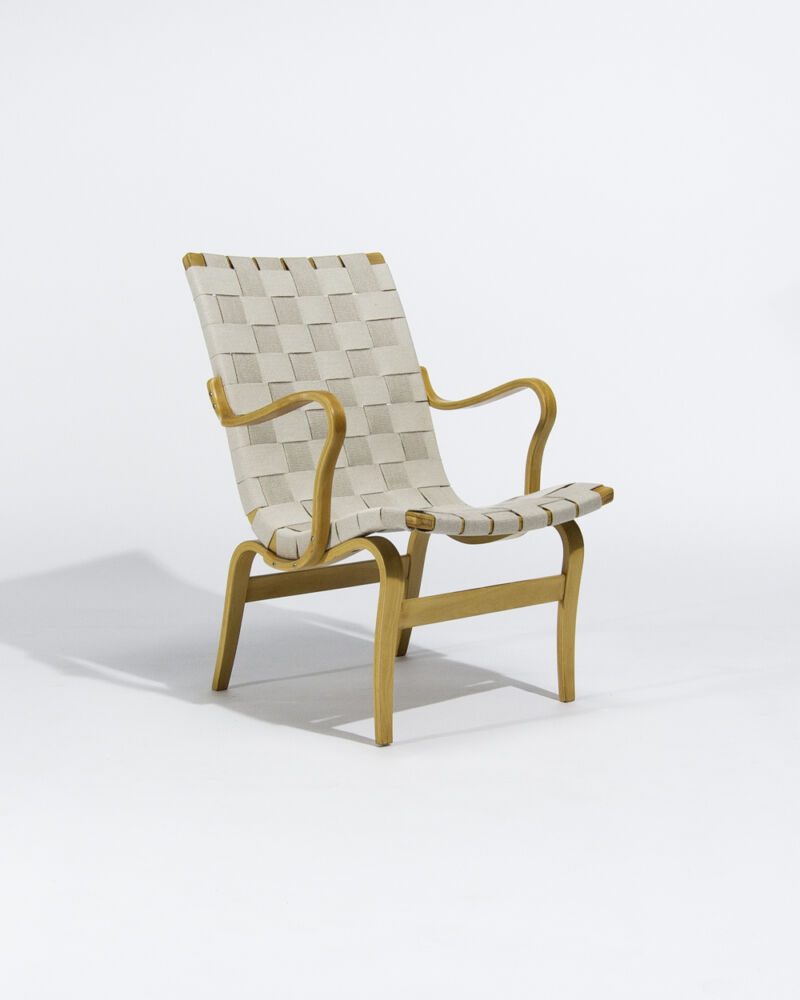
Image Credit: Bruno Mathsson
Inspired Piece: Albani Bar Chair
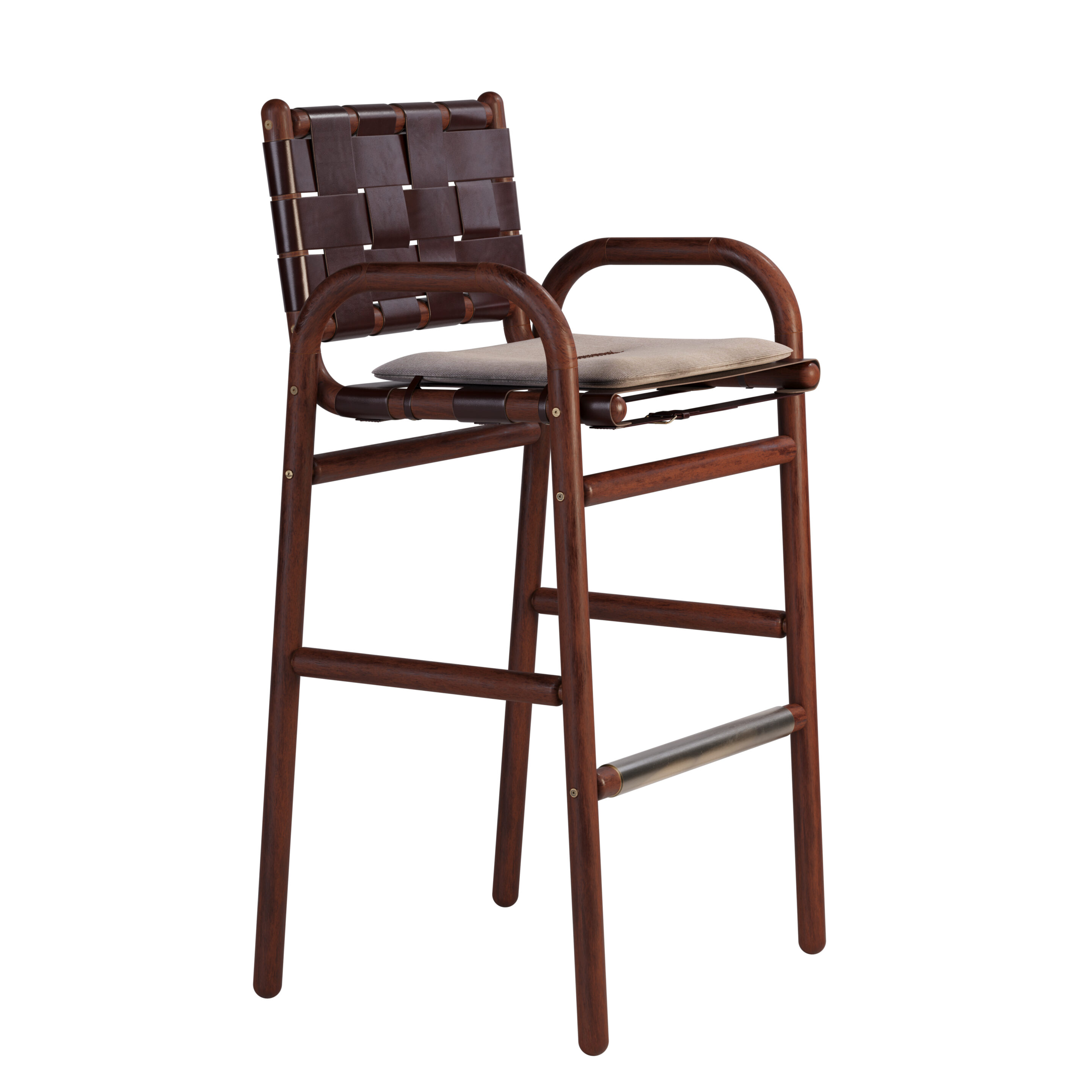
Image Credit: Bruno Mathsson
Mae West Sofa – Salvador Dalí
The “Mae West Sofa” is an iconic piece of furniture created by surrealist artist Salvador Dalí in 1937. Inspired by the sensual lips of actress Mae West, the sofa features a bold and provocative design that transforms an image from pop culture into functional art. With its voluptuous curves and vibrant red finish, the piece not only serves as a utilitarian object, but also as a work of art that challenges the traditional conventions of design and aesthetics. This sofa exemplifies Dalí’s ability to fuse art, humor and desire into a single object, solidifying his position as one of the masters of surrealism.
Mae West Sofa
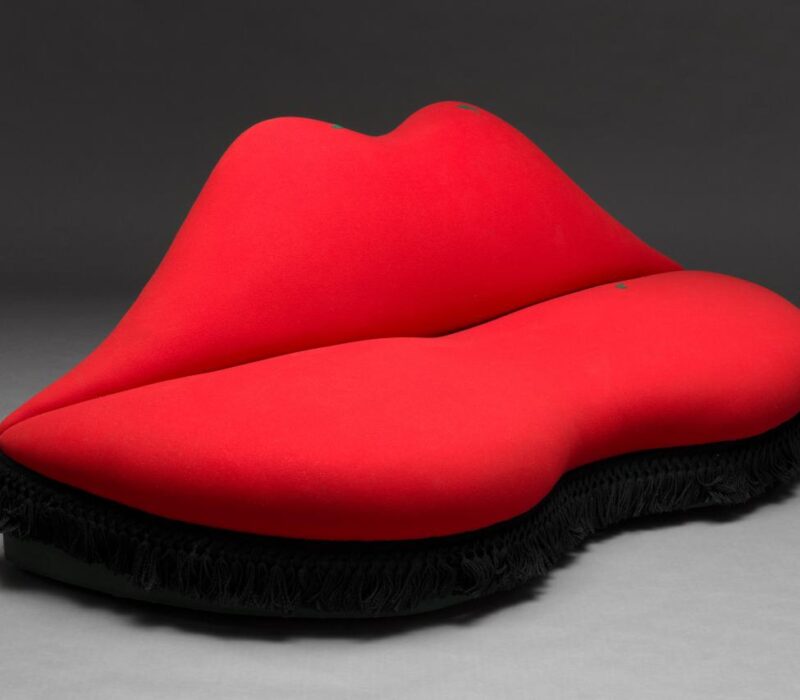
Image Credit: Fundació Gala-Salvador Dalí
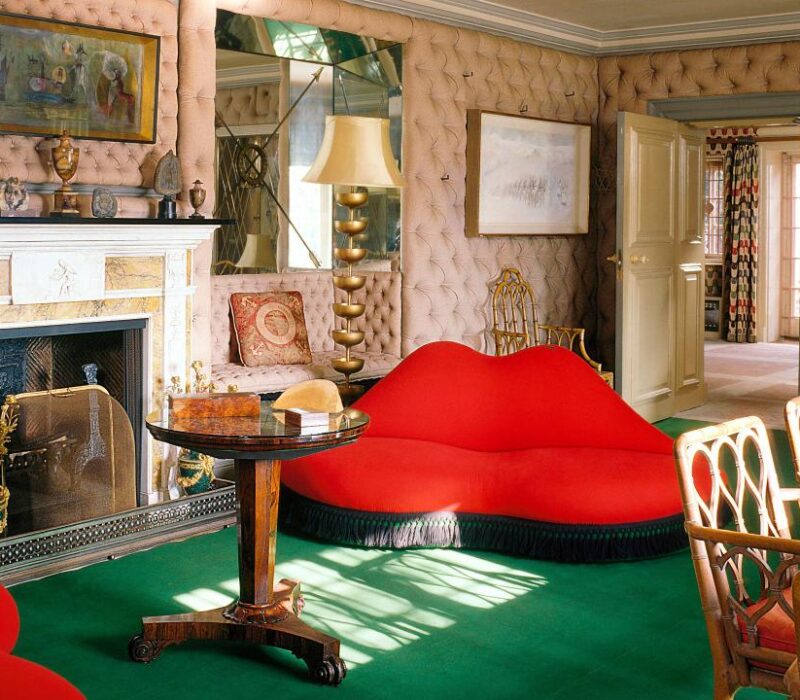
Image Credit: Fundació Gala-Salvador Dalí | Alamy Stock Photo
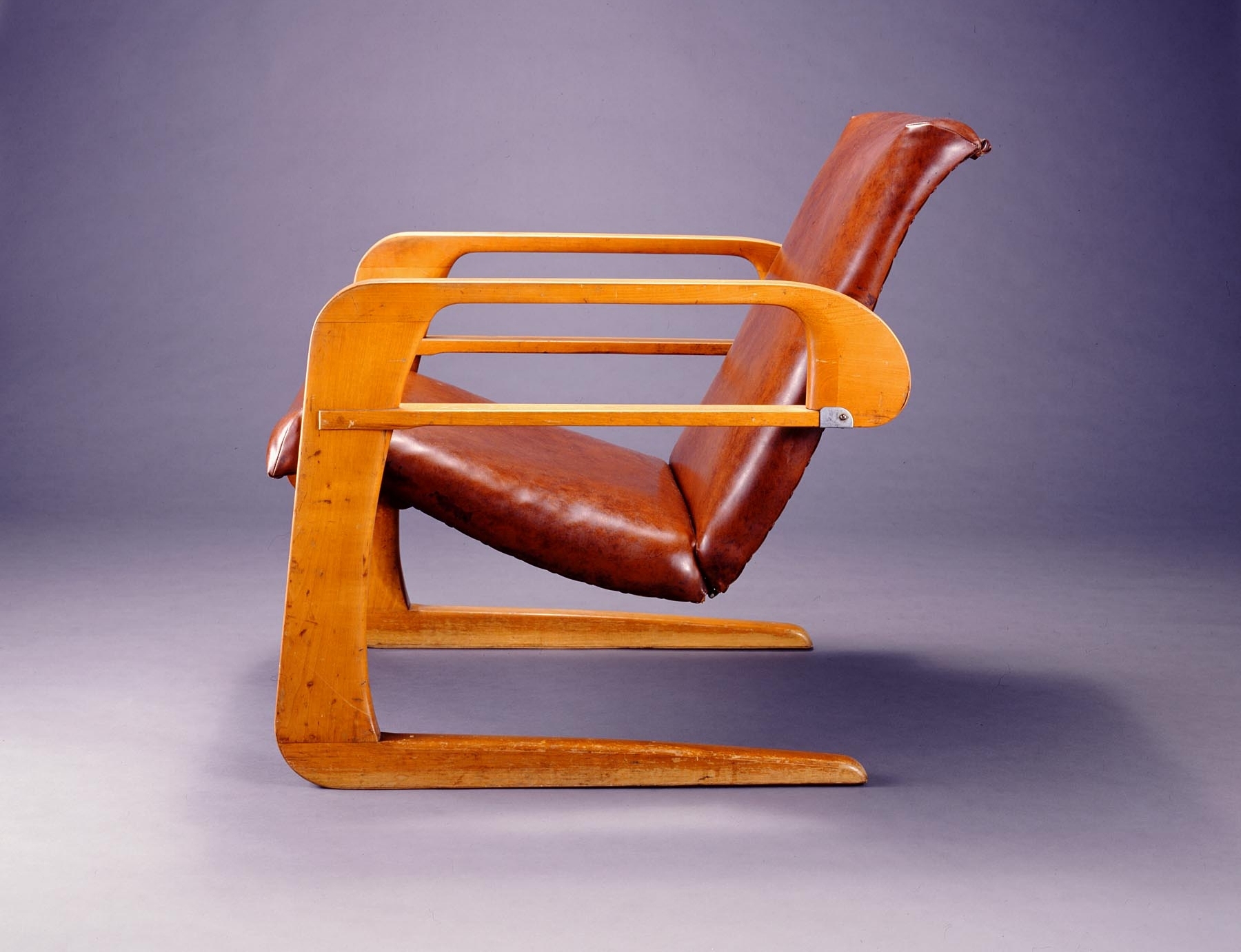
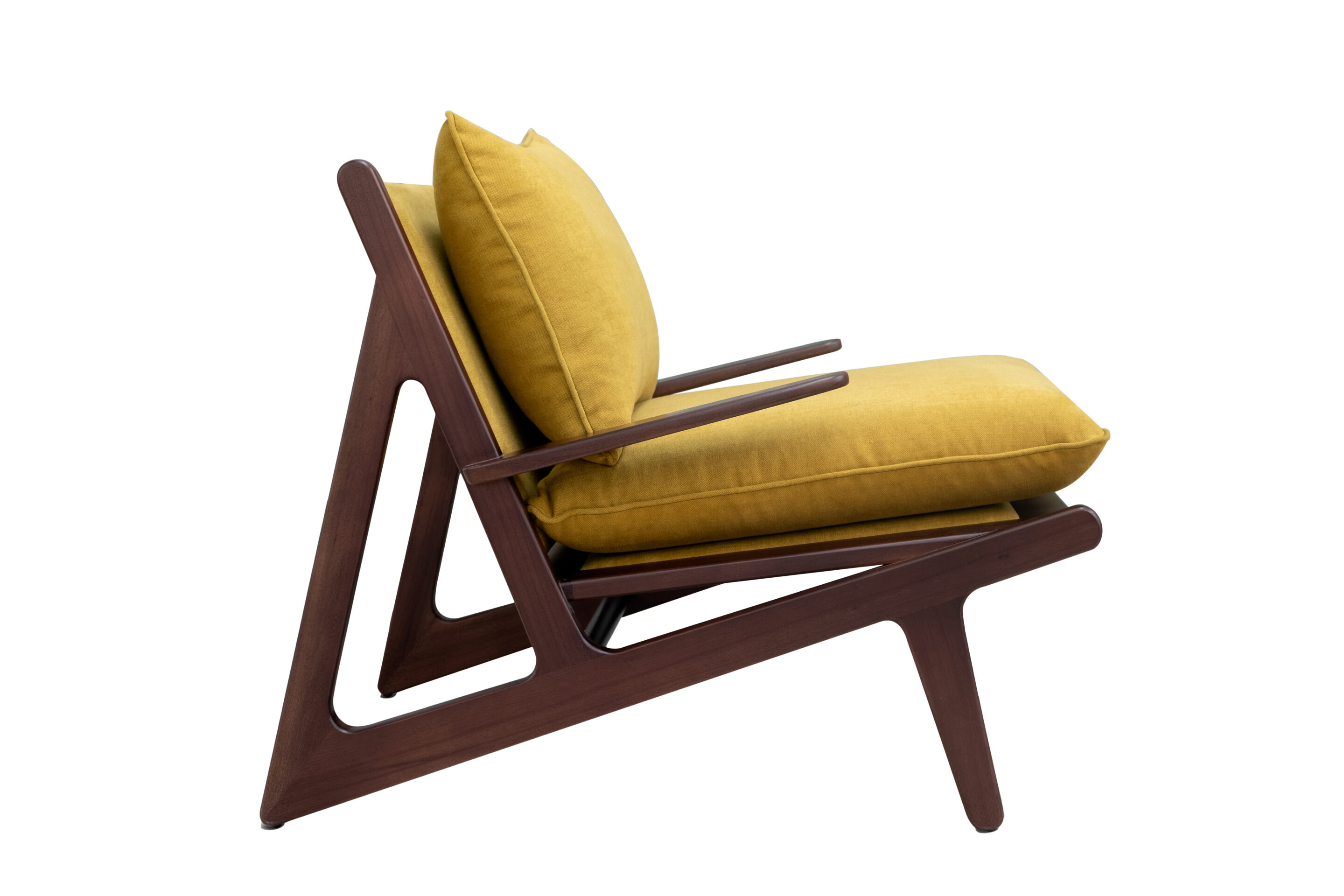
The Airline Armchair – Kem Weber
The Eva chair, designed by Bruno Mathsson in 1933, is making a significant comeback in interior design. This iconic piece combines functionality and aesthetics, reflecting Mathsson’s innovative approach to ergonomics and comfort. With its curved wooden frame and wicker or canvas seat, the Eva chair is a celebration of classic Scandinavian design. Its elegant simplicity and durability continue to captivate contemporary design enthusiasts, demonstrating how timeless pieces can be reinterpreted to suit today’s modern styles.
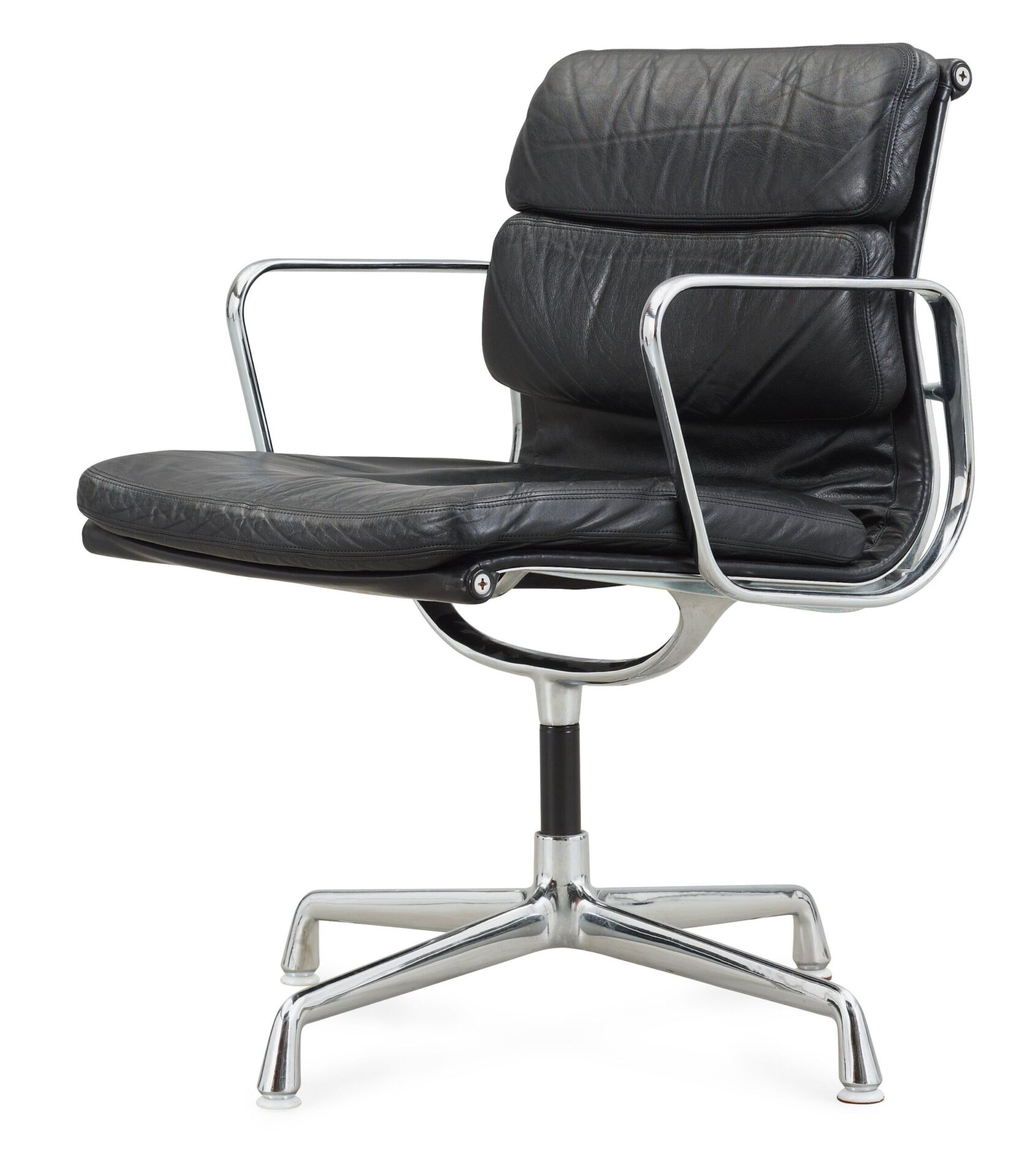
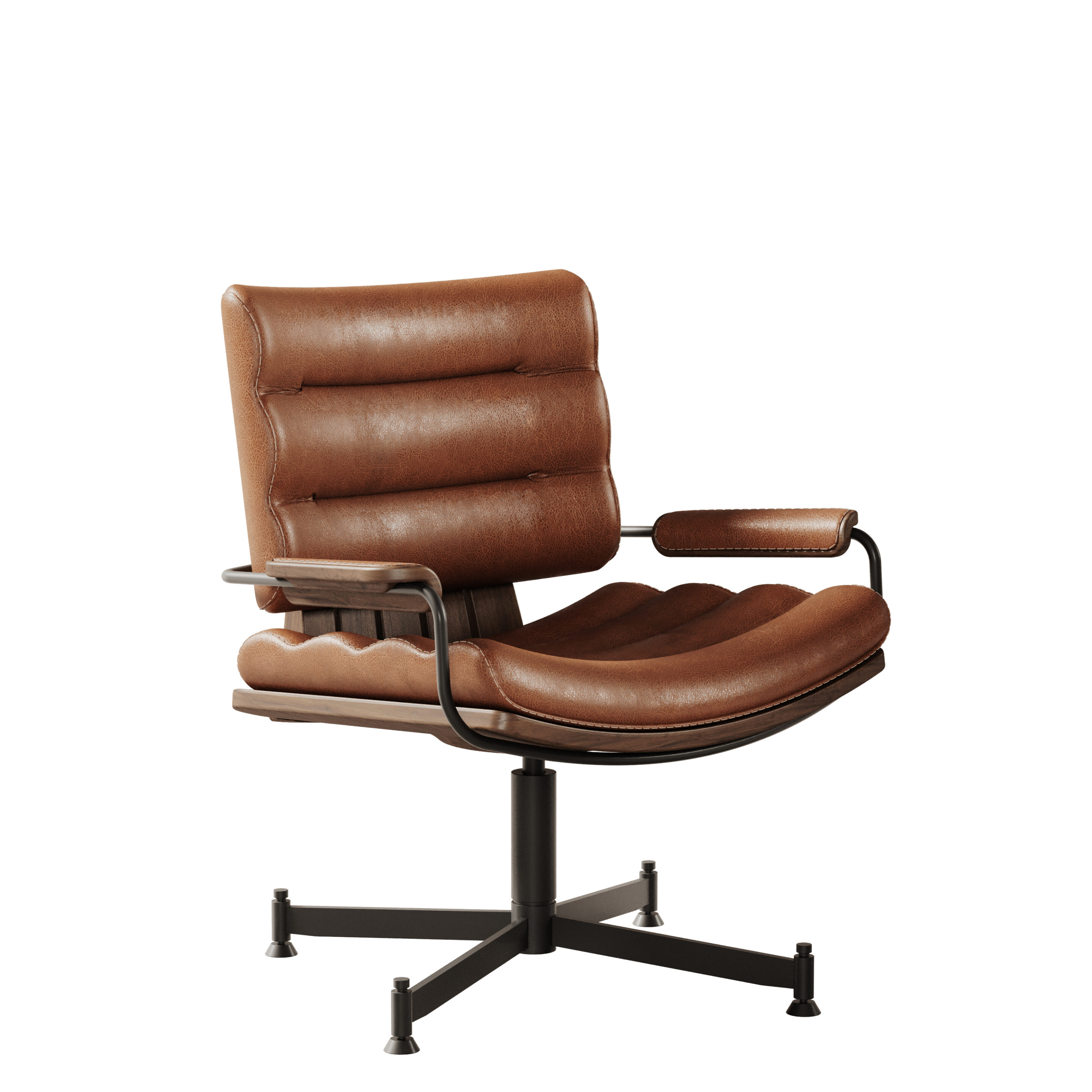
Soft Pad Chair – A Charles & Ray Eames
The “Mae West Sofa” is an iconic piece of furniture created by surrealist artist Salvador Dalí in 1937. Inspired by the sensual lips of actress Mae West, the sofa features a bold and provocative design that transforms an image from pop culture into functional art. With its voluptuous curves and vibrant red finish, the piece not only serves as a utilitarian object, but also as a work of art that challenges the traditional conventions of design and aesthetics. This sofa exemplifies Dalí’s ability to fuse art, humor and desire into a single object, solidifying his position as one of the masters of surrealism.
The charm of the past is being rediscovered, bringing a mix of nostalgia and modernity to contemporary homes.
You might also like: Copenhagen 3 Days Of Design
What do you think of comeback design pieces? Are you interested in decorating your home with any of these pieces? Let us know!
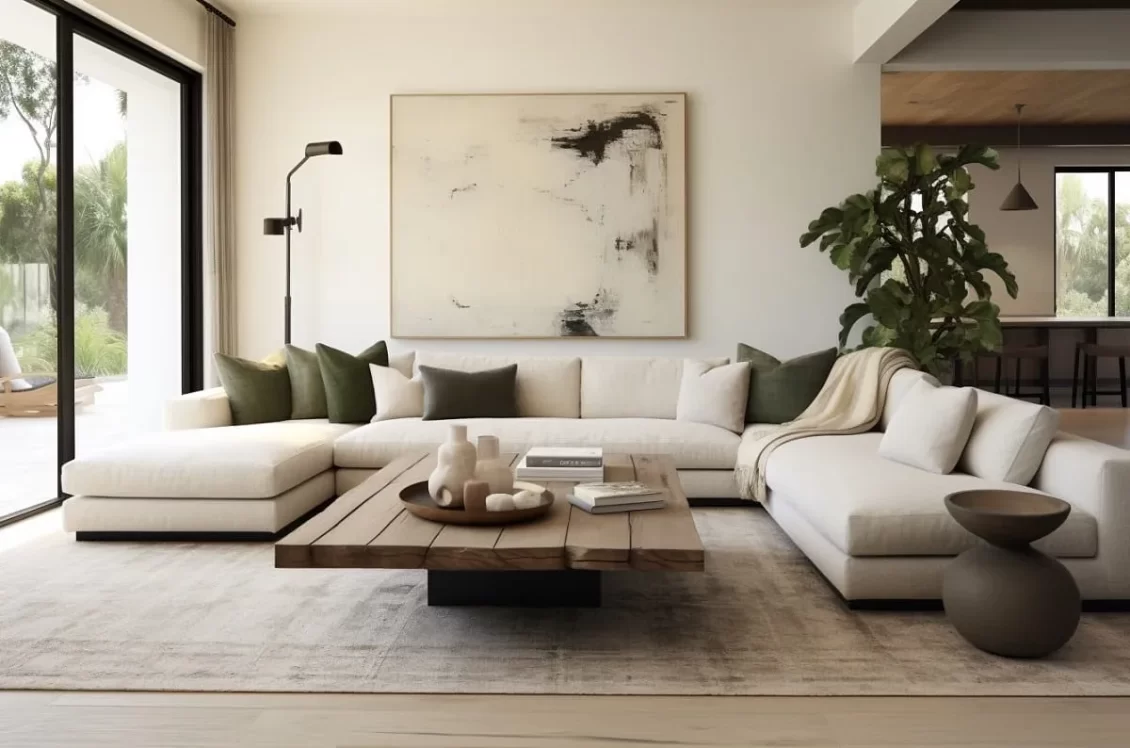
5 Essential Elements of Wabi Sabi Décor
The concept of Wabi Sabi Décor is a Japanese philosophy that values beauty in imperfection, transience and simplicity. Originating from Zen Buddhism, wabi-sabi represents the balance between appreciation and time, which teaches us that everything is fleeting.
It’s an escape from everything that tries to convince us that we should want more.
Wabi Sabi, the Japanese Philosophy
To begin this article, it’s important to understand what the term wabi sabi means.
Wabi sabi teaches us to look positively at everything we have and to find beauty in what we think is imperfect. Wabi sabi is an ancient Japanese philosophy that helps us face our modern struggles without the illusion that we will achieve perfection.
The general concepts associated with this philosophy of life are impermanence, and its central principle is based on the belief that we should value everything that is authentic by recognizing three simple realities: “Nothing lasts, nothing is finished and nothing is perfect”.

Characteristics of Wabi Sabi Décor
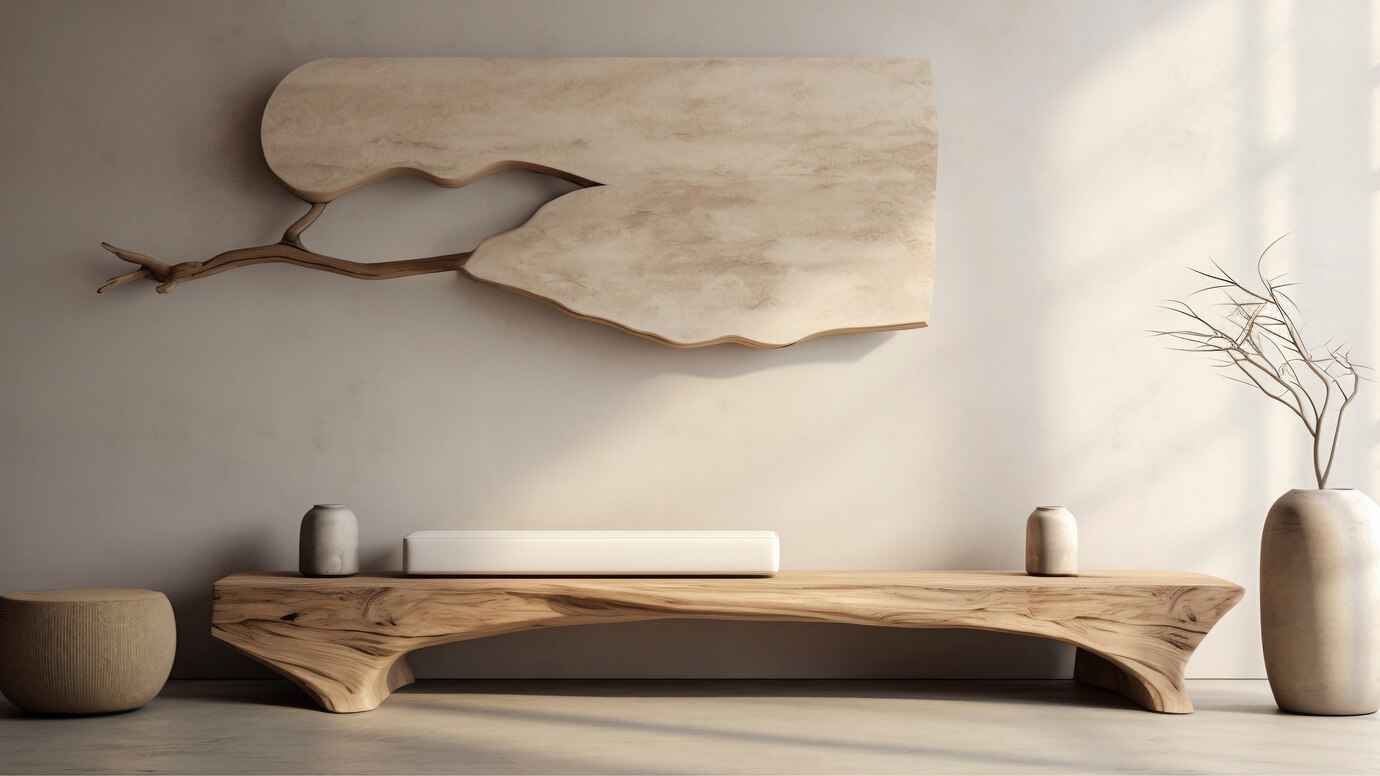
Imperfect Beauty
Wabi Sabi Décor values the beauty of natural imperfections, such as cracks, stains and uneven textures. Instead of hiding these features, they are highlighted as part of the object’s charm and history.
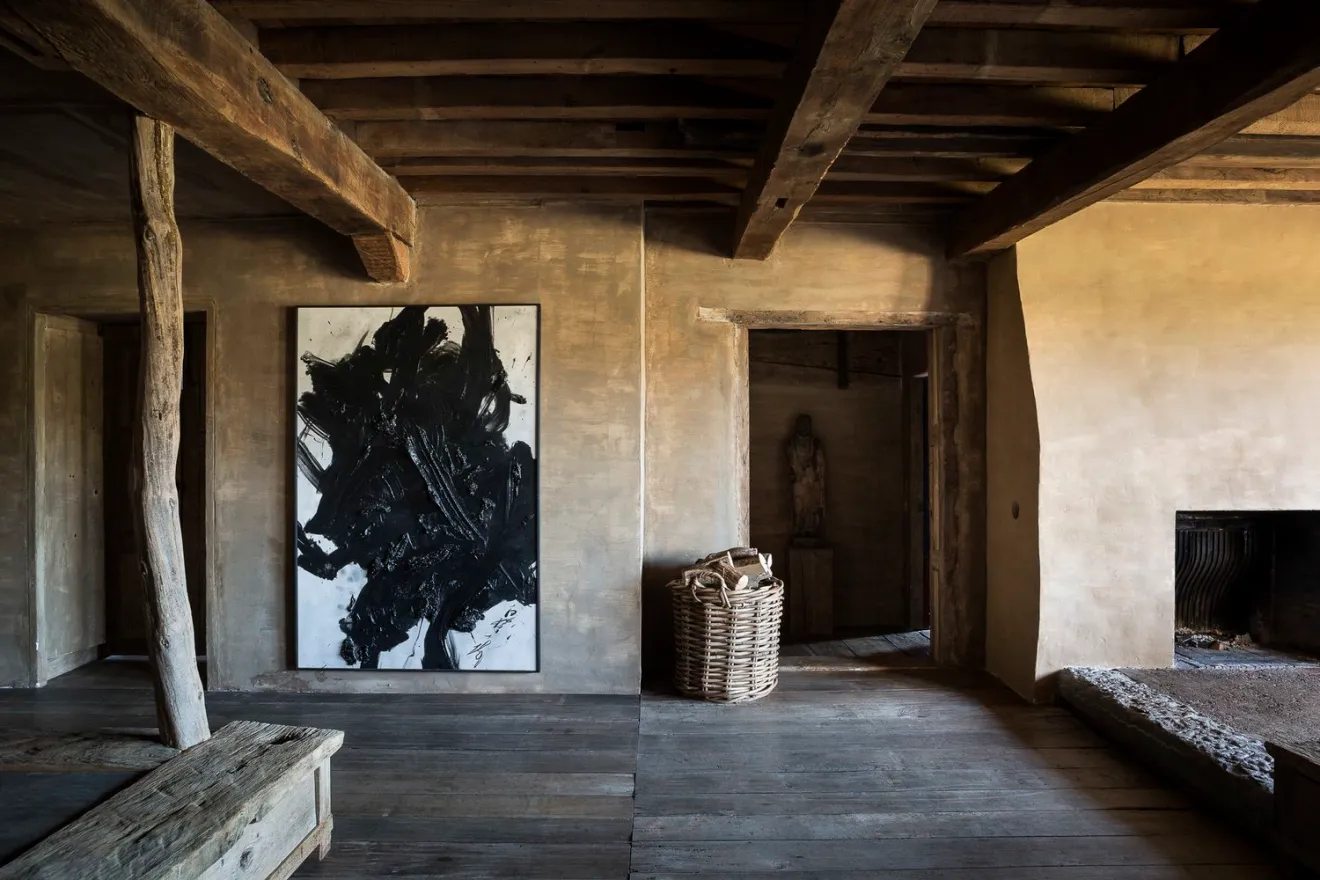
Image Credit: House of Forme
Simplicity and Minimalism
Wabi-sabi decor is minimalist, with few objects and pieces of furniture. Each piece is carefully chosen and has a clear purpose, contributing to a calm and uncluttered atmosphere.
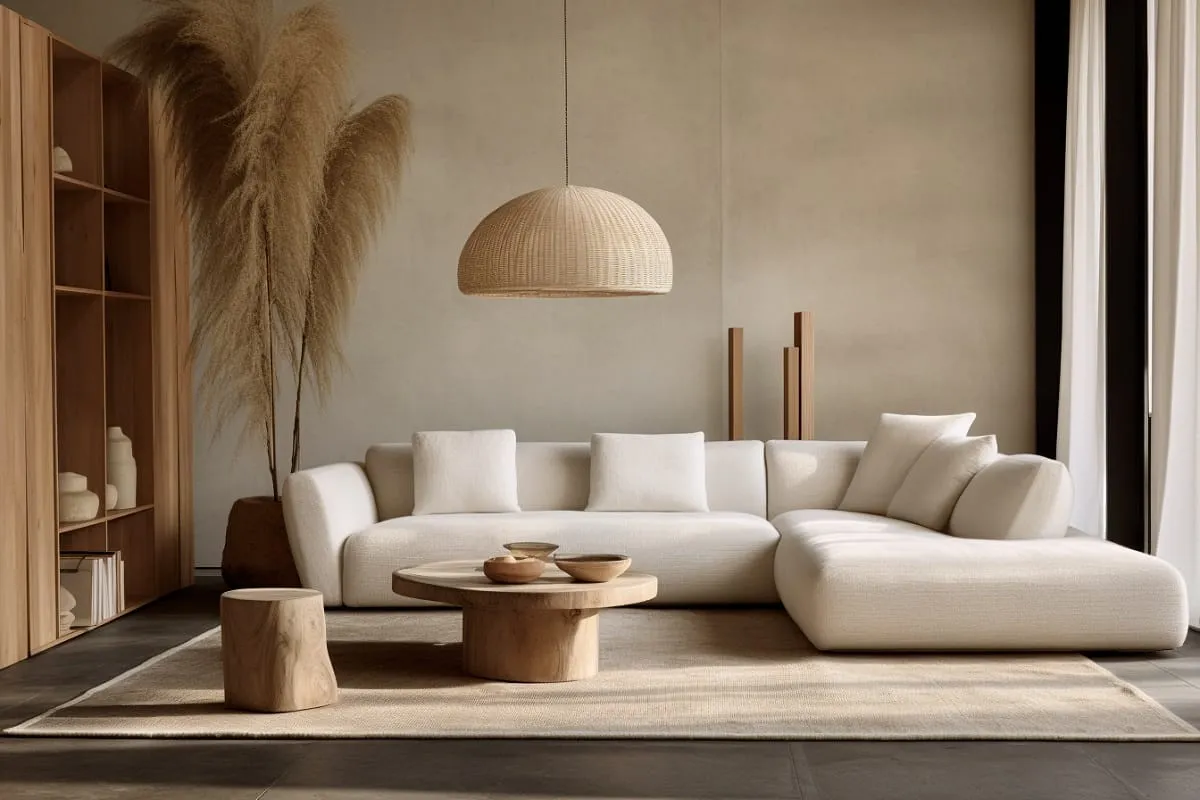
Image Credit: Decorilla
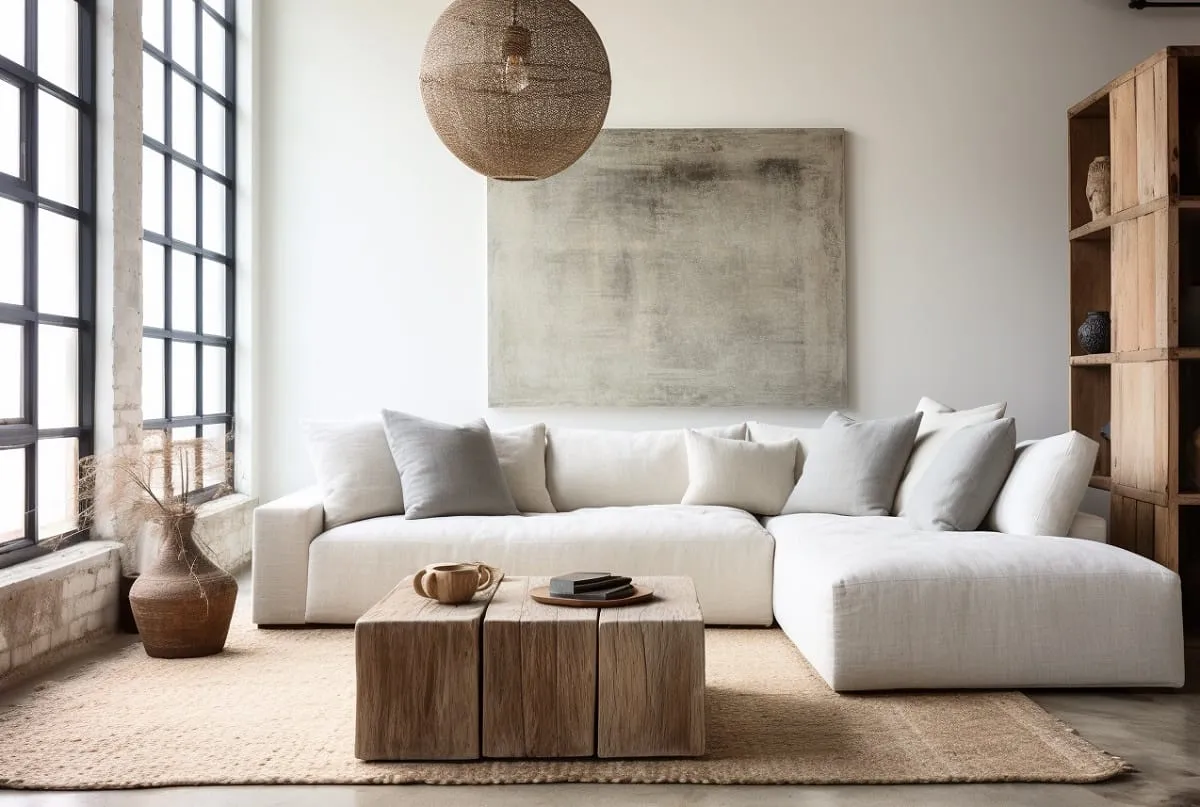
Image Credit: Decorilla
Natural materials
Wood, stone, ceramics and natural fabrics are widely used. These materials, especially as they age, develop a patina that is highly prized in wabi-sabi.
Connection with nature
Plants, stones and natural elements are integrated into the environment to create a sense of connection with the outdoors. Items such as dried branches and simple floral arrangements are common.
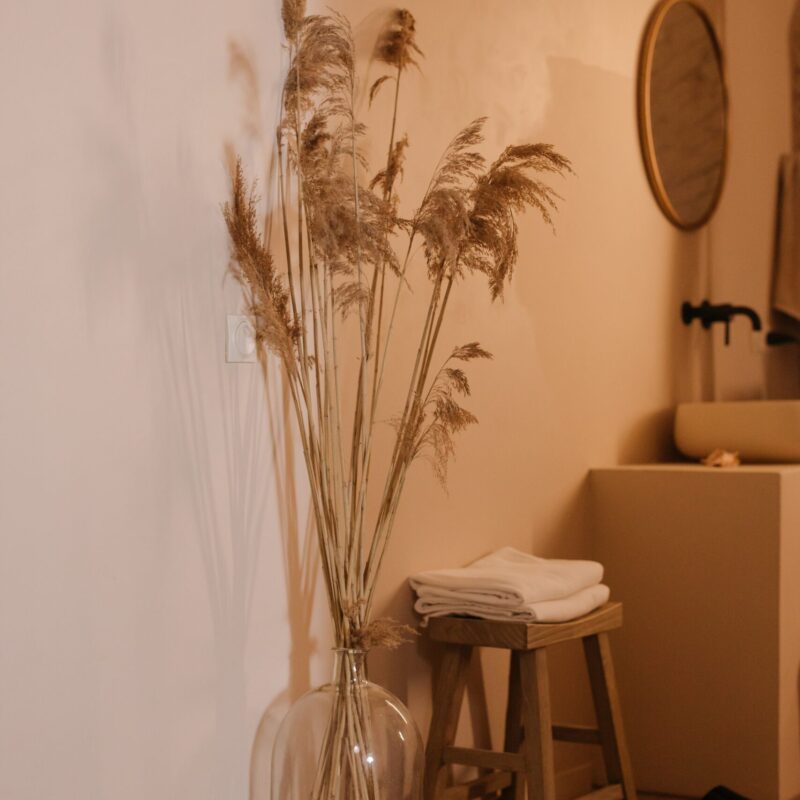
Image Credit: Cottonbro Studio
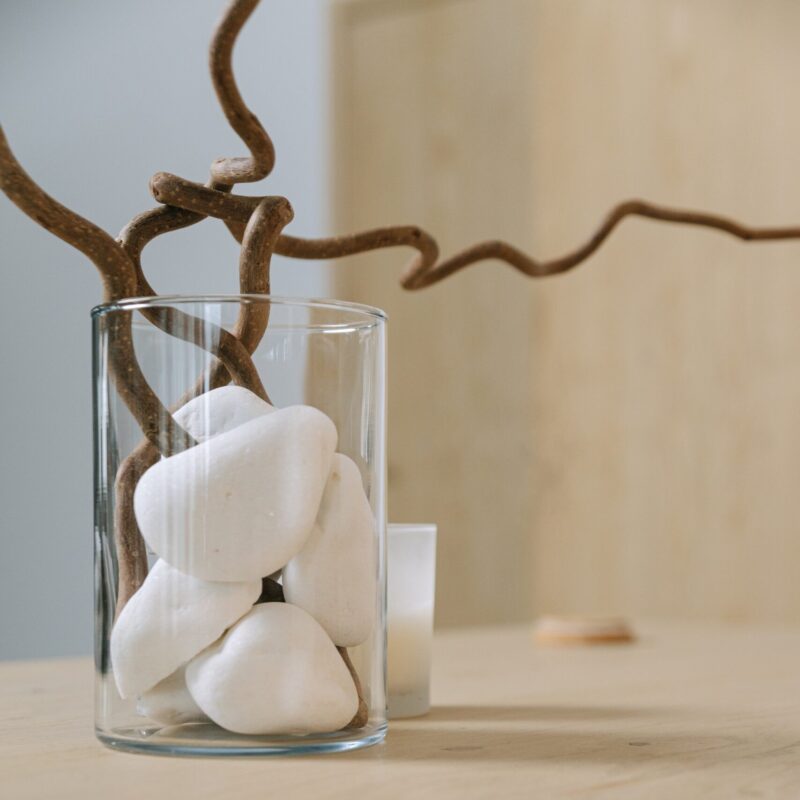
Image Credit: Ivan Smkov
Soft, earthy colors
The color palette is neutral and earthy, including shades of beige, gray, brown, olive green and other soft tones that evoke nature and serenity.
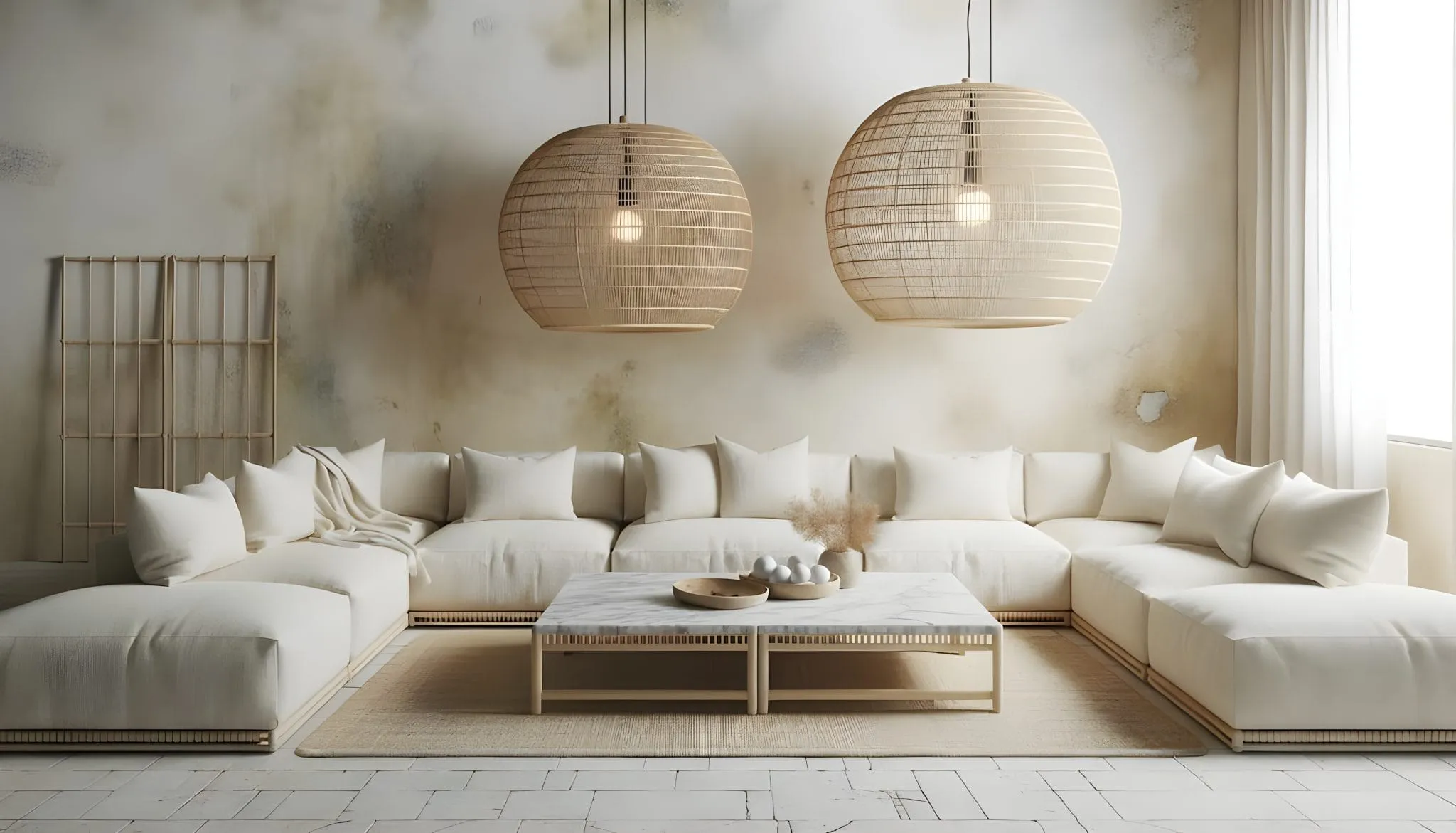
Wabi Sabi Décor with Wood Tailors Club products
Tables, chairs and shelves made from untreated or reclaimed wood, which show knots, cracks and color variations.
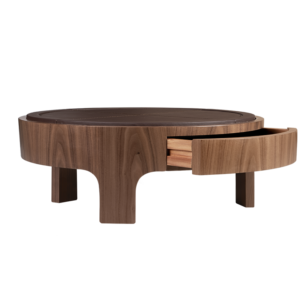
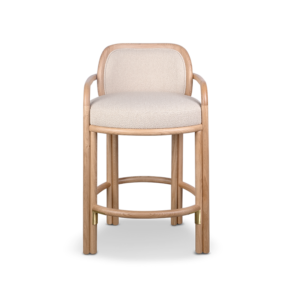
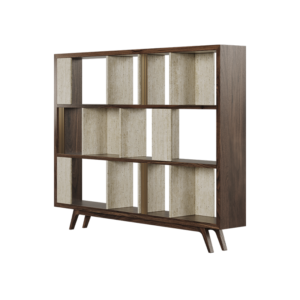
To create an interior with Wabi Sabi décor, simply follow these five guidelines. Also use something that stimulates your senses – the yellow lights and burning incense will help you understand the profound beauty of the Wabi Sabi philosophy.
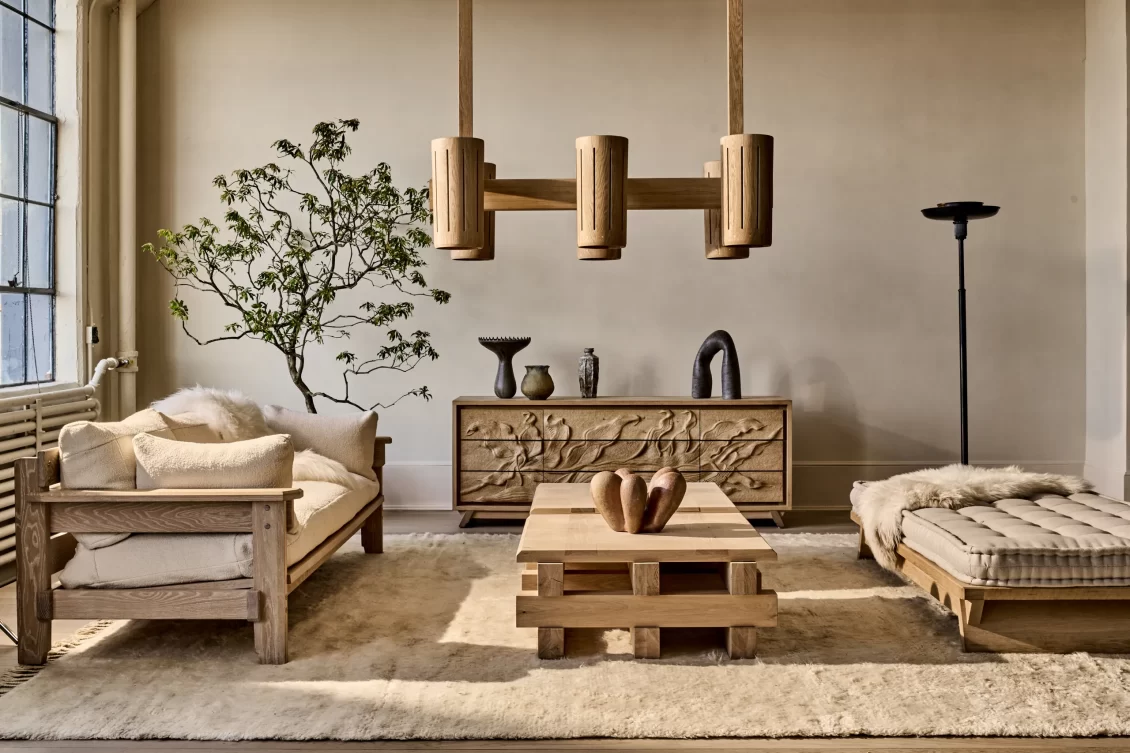
Japandi Style: Interesting Facts
Japandi Style is an interior design trend that combines elements of Japanese and Scandinavian design. The name “Japandi” is a fusion of “Japan” (Japan) and “Scandi” (Scandinavia), reflecting the harmonious integration of two styles that share a common philosophy of simplicity, functionality and minimalism.
What is Japandi Style?
Unusual Cultural Combination
The fusion of Japanese and Scandinavian styles may seem unusual at first glance, but both share deep roots in philosophies of life that value simplicity, functionality and harmony with nature. This combination creates a unique and innovative aesthetic.
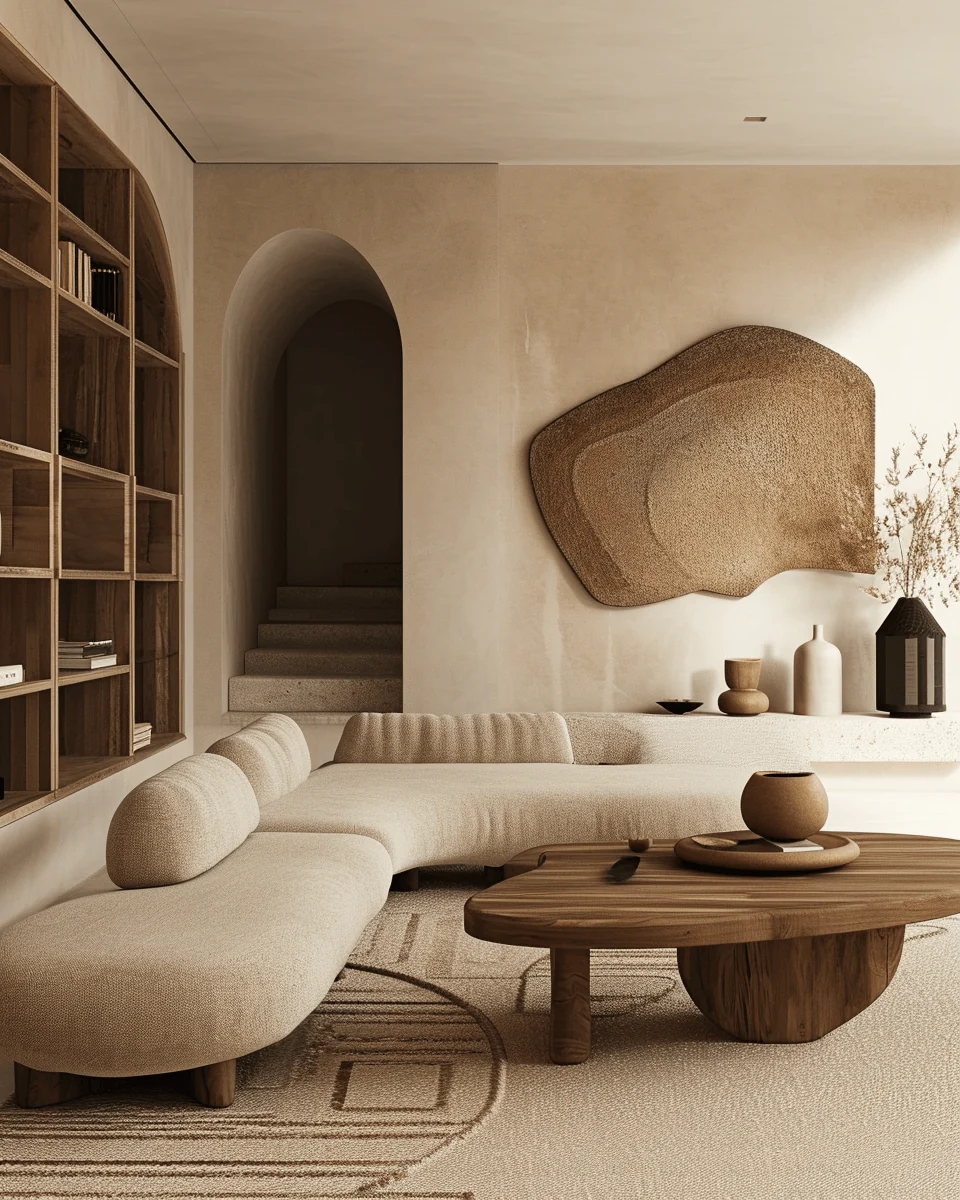
Image Credit: Edward George London
Influence of Wabi-Sabi and Hygge
Two profound cultural concepts influence Japandi Style: Japanese wabi-sabi, which celebrates the beauty in imperfection and transience, and Scandinavian hygge, which refers to comfort, coziness and well-being. The combination of these concepts creates spaces that are both aesthetically pleasing and emotionally comforting.
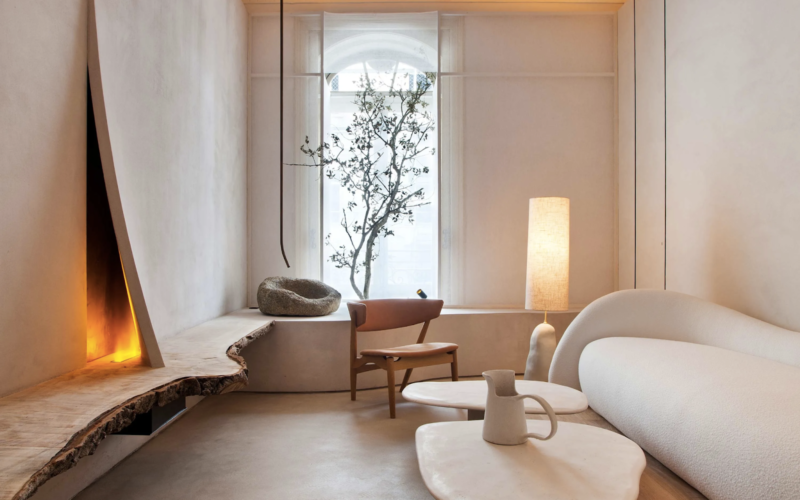
Wabi Sabi Style
Image Credit: Nacho Uribe Salazar
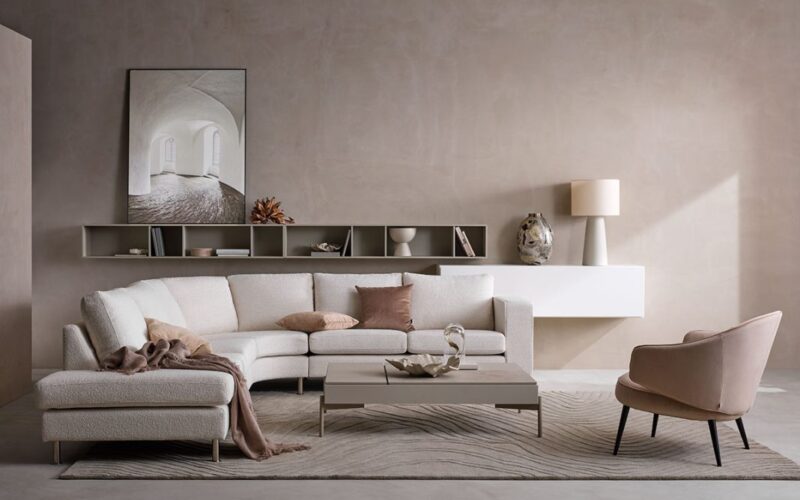
Hygge Style
Image credit: BoConcept Westchester
Psychological Impact
Studies show that minimalist, well-organized environments can reduce stress and improve mental health. Japandi Style, with its clean and orderly aesthetic, can have a positive impact on the emotional and psychological well-being of residents.
Japandi Style adopts a minimalist approach, but with an elegance that results in the creation of calm and organized spaces.
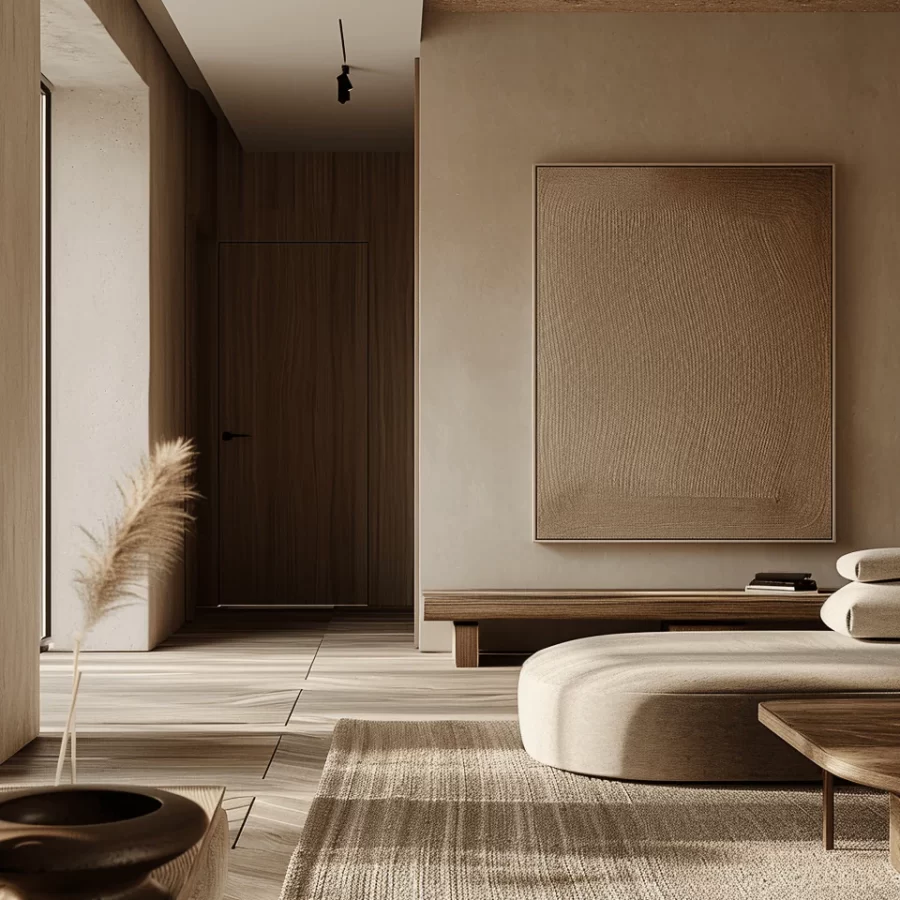
Image Credit: Edward George London
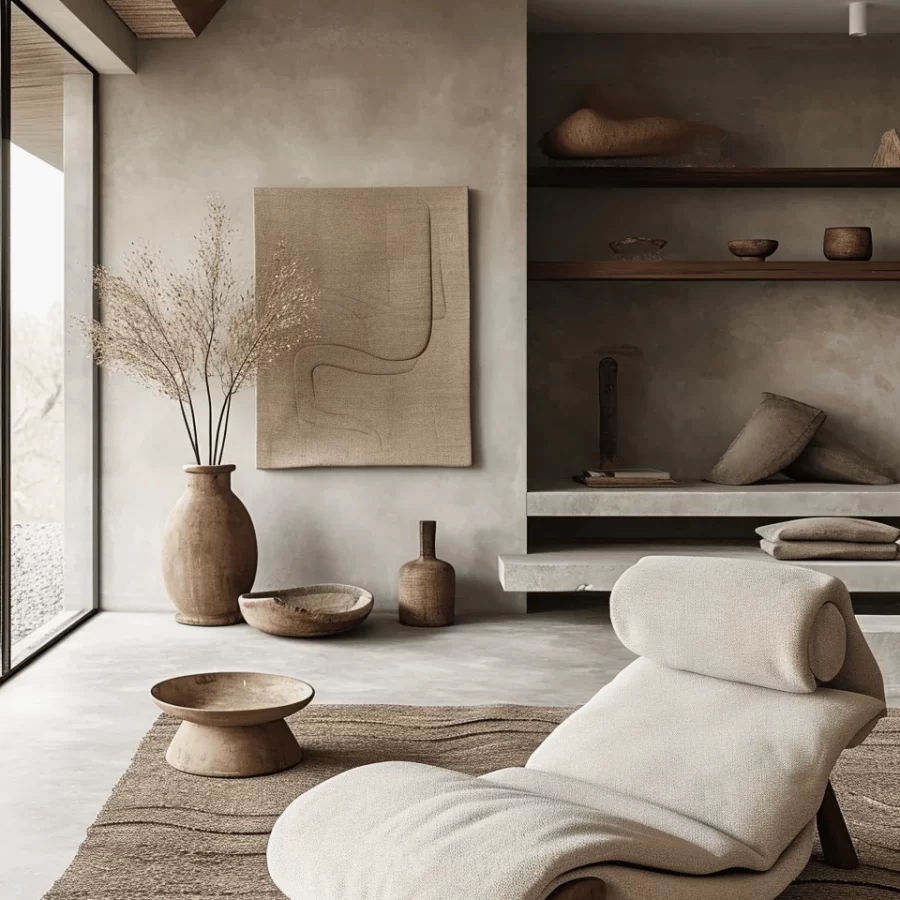
Image Credit: Edward George London
Sustainable Design
Japandi Style often incorporates sustainable design practices, using natural and recyclable materials, promoting the durability and longevity of objects, and encouraging more conscious consumption.
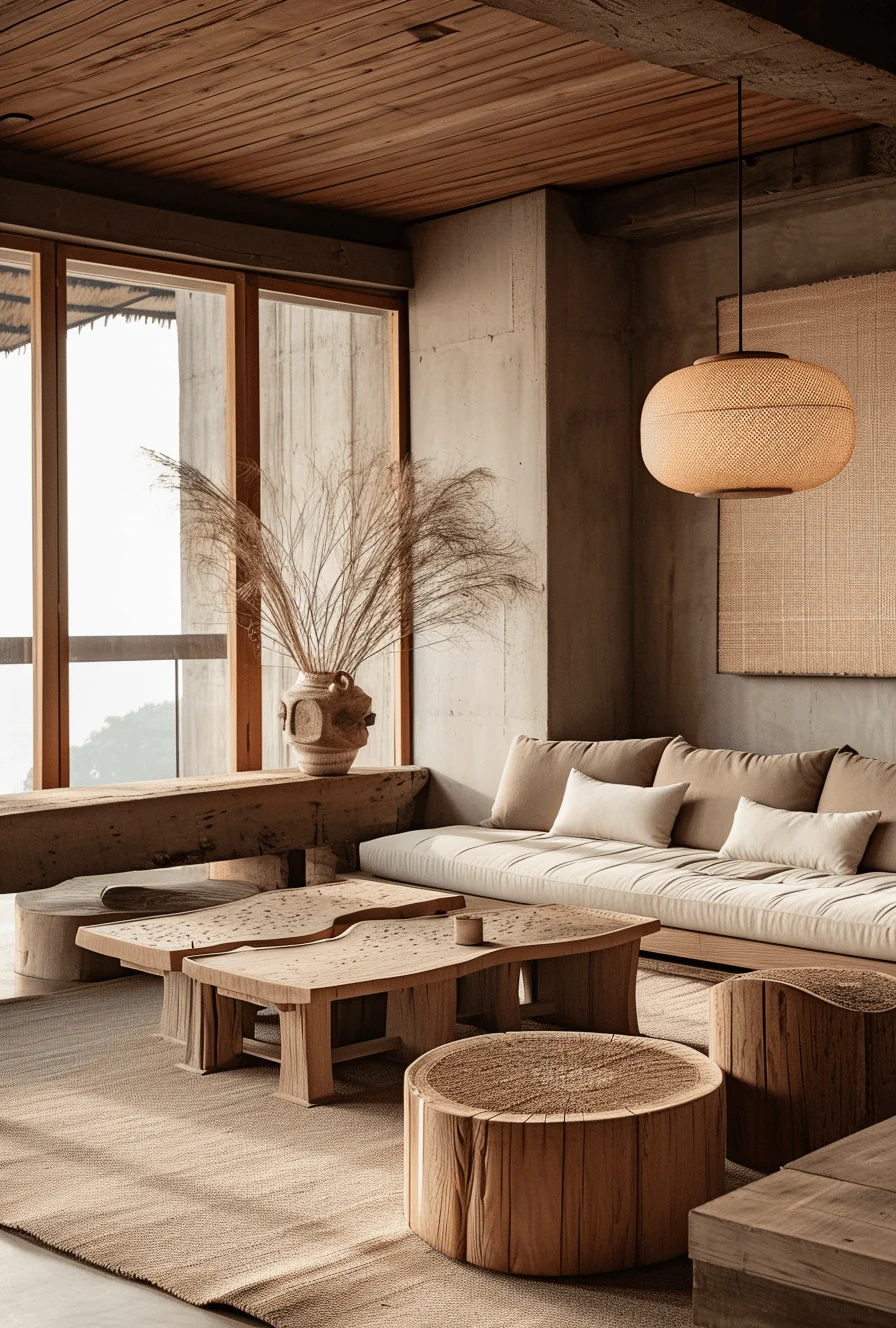
Image Credit: Edward George London
Japandi Style Bathroom
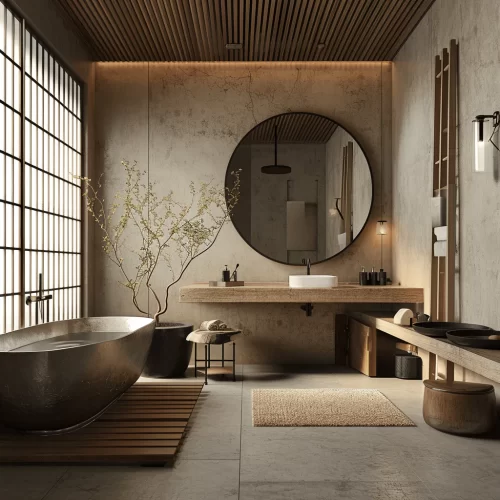
Image Credit: Edward George London
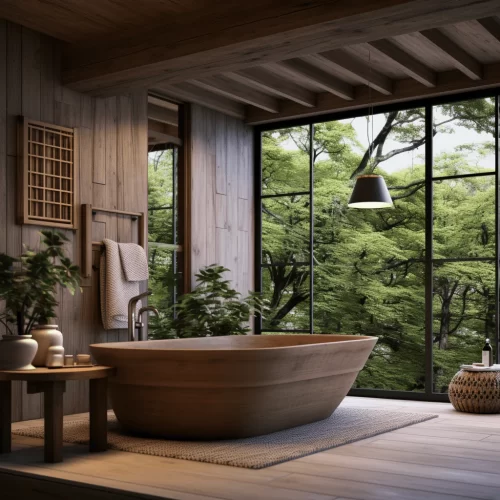
Image Credit: Edward George London
Japandi Style Kitchen
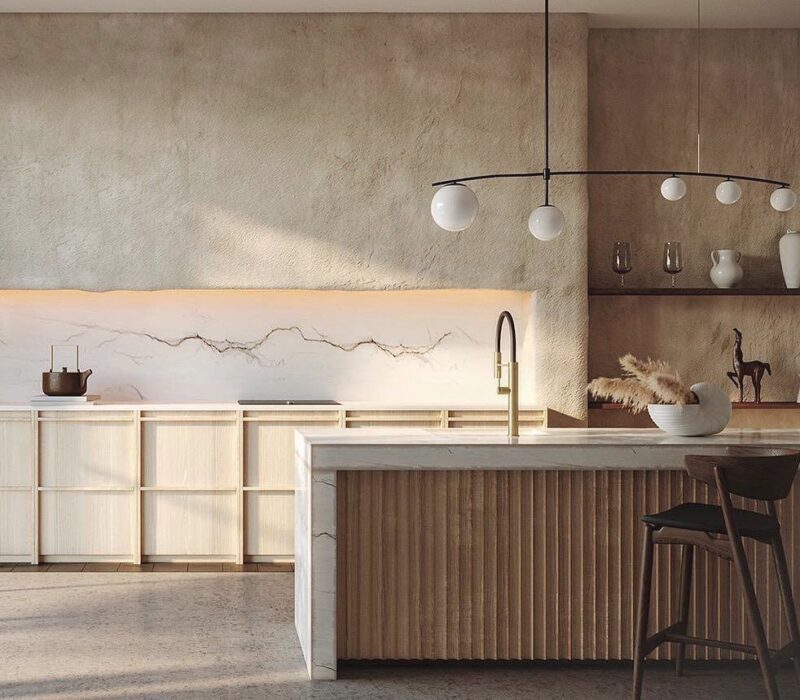
Image Credit: Yasmin Interiors
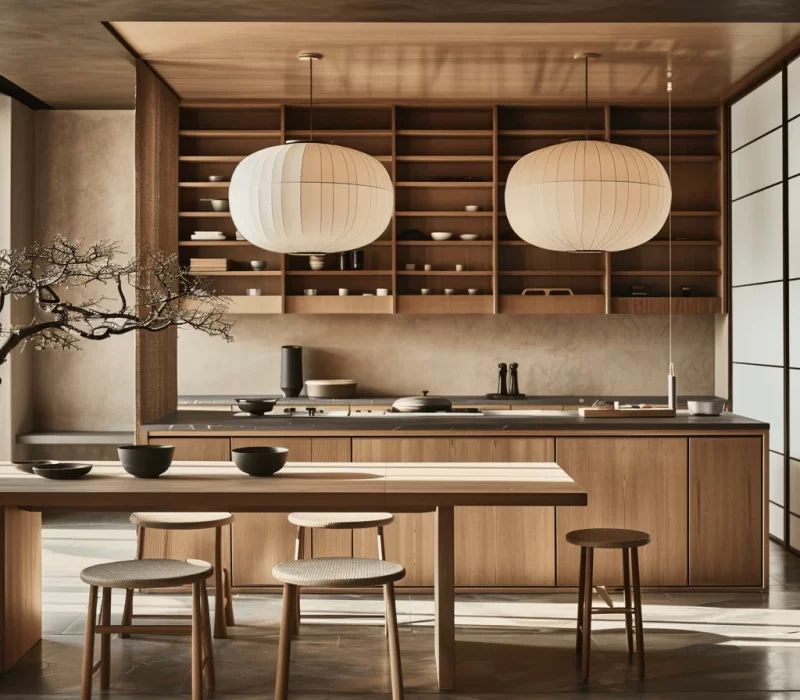
Image Credit: Edward George London
Pieces of Wood Tailors that fit with the Japandi Style
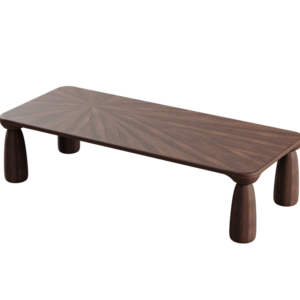
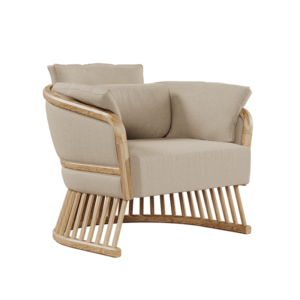

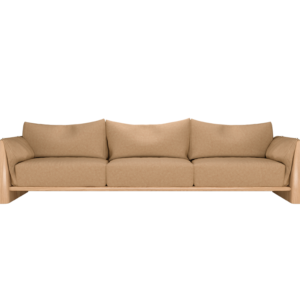
“Maybe some people think Japandi just happened, but the relationship between Japan and Scandinavia started a long time ago,” – Laila Rietbergen, author of Japandi Living.
You might also like: Top 5 Sustainable Decor For An Ecological Lifestyle
FINALLY, WHAT’S YOUR OPINION ABOUT THE JAPANDI STYLE? ARE YOU SO IN LOVE AS WE ARE? IF YOU WANT TO KEEP BEING INSPIRED, STAY TUNED TO OUR BLOG SO YOU CAN FIND OUT MORE STYLES AND DÉCOR IDEAS.